




Cholesterol. Myths and Facts
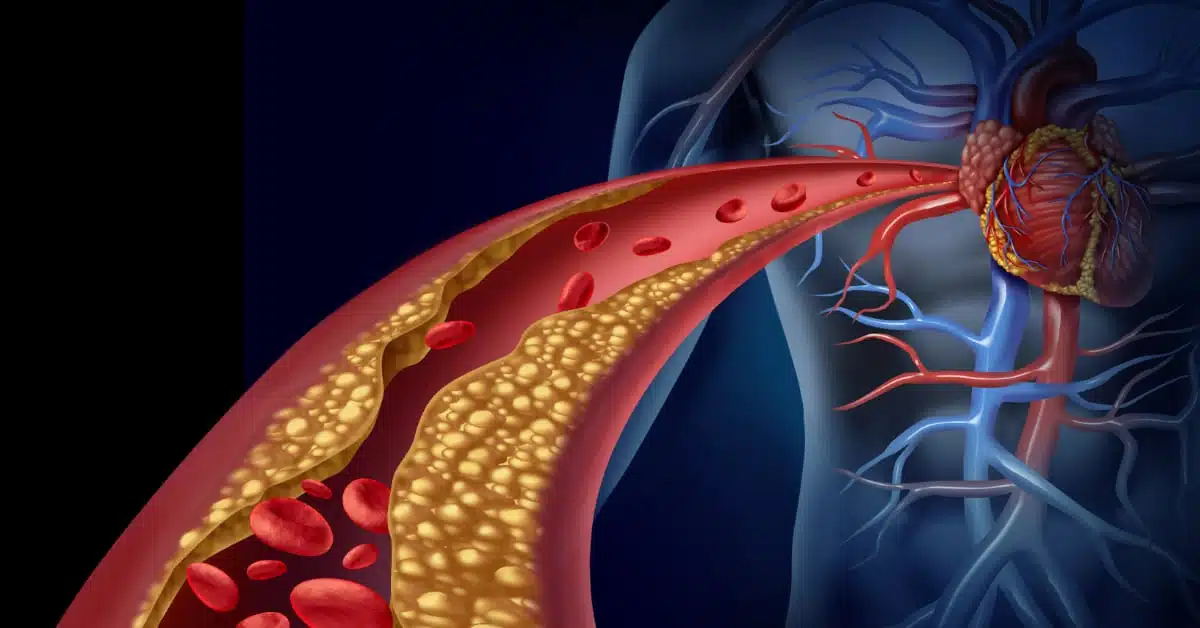
Cholesterol has been declared the number one enemy of blood vessels worldwide. Everyone is fighting against it, but unfortunately, the fight against cholesterol can lead to even more severe consequences than high cholesterol levels themselves could cause in the body.
People often imagine blood vessels becoming clogged with lumps and blockages. While this can happen, we are largely responsible for it ourselves, and the reasons are actually quite simple. We have been conditioned on a massive scale to believe that everything good is bad, and everything bad is good, resulting in major health problems. Cholesterol is a very important fatty compound in the body without which we cannot live.
The Role of Cholesterol in the Body
Cholesterol:
- synthesizes bile acids, which break down fats;
- synthesizes various hormones, especially sex hormones (testosterone and estrogen);
- supports metabolic processes;
- synthesizes vitamin D;
- neutralizes various toxins;
- cell membranes are formed from cholesterol, which are essentially the “brains” of the cells. Everything depends on the cell membrane. It controls what enters the cell and what leaves it. It is our immunity. If a cell has no membrane, we are exposed to all kinds of risks (cancer, immune, etc.). It also depends on the cell membrane for cell renewal processes;
- protects the walls of blood vessels. Blood vessel walls must be elastic. They are damaged by sugar, carbohydrates, stress (which produces cortisol – causing vascular spasms that damage blood vessels), fungi, viruses, bacteria, protozoa, and parasites. In case of blood vessel damage, cholesterol “patches” the damaged areas, because otherwise a vessel could rupture, leading to strokes, heart attacks, or even fatal outcomes. Until we have strengthened the blood vessel walls, we have no right to fight cholesterol.
If you use cholesterol-lowering medications, such as statins, they block all these important functions that cholesterol provides.
Of all the cholesterol produced, 20% goes to maintaining the central nervous system. If we do not produce enough cholesterol or if we block it, we may experience an unstable nervous system, poor memory, and other issues.
Pulmonary Alveoli
Cholesterol is responsible for fat metabolism. In our lung alveoli, there is a layer called surfactant. Surfactant consists of 99% fats and only 1% proteins (amino acids). When breathing, it is the surfactant that prevents the alveoli from collapsing — this is especially critical for newborns. If the mother did not eat enough fats during pregnancy or has type 2 diabetes, newborns may face fatal consequences if surfactant is not produced properly, as the baby cannot take the first breath and the lungs do not expand.
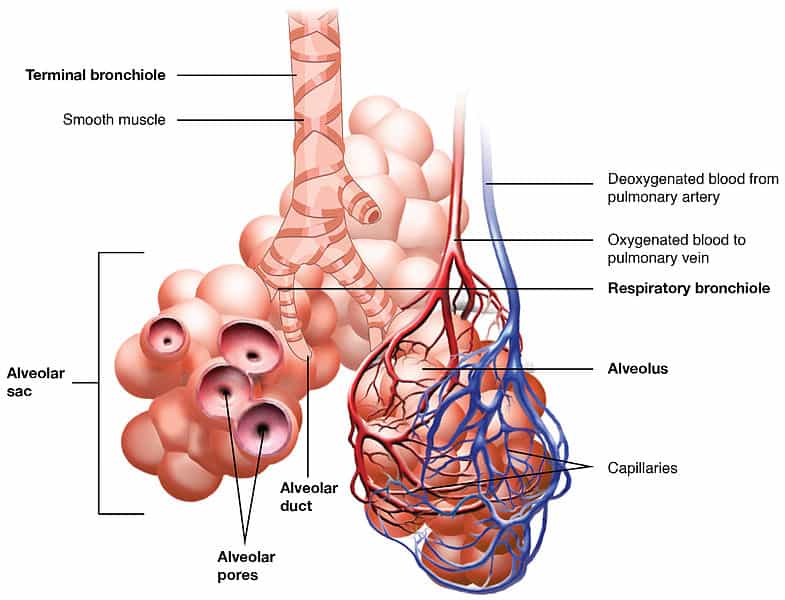
If our surfactant is not of sufficient quality, hypoxia can develop — a condition where the body is not adequately supplied with oxygen.
Signs of poor-quality surfactant: fatigue, nervousness, sleep disturbances, headaches, difficulty thinking, depressive mood, cravings for sweets. In other words, there is no energy, no oxygen. Living water, antioxidants, fats, and movement help restore oxygen levels.
Salty sea air helps cleanse surfactants. Tuberculosis was once treated with sea air and seal fat. Nowadays, if you cannot get sea air, salt rooms are available. Salt rooms should be used by manicurists, hairdressers, artists, smokers, and everyone else whose daily life involves various chemicals.
How Cholesterol Works in the Body
When we eat cholesterol-rich food, it is broken down in the intestinal walls (provided the necessary enzymes and bile are present). After being broken down, cholesterol first enters the lymph. This is why it is important to move in the morning so that lymph circulates, and to sweat during the day. From the lymph, cholesterol then enters the bloodstream, and cholesterol-rich blood goes to the liver. In the liver, cholesterol combines with proteins to form lipoproteins. This is where the story of “good” and “bad” cholesterol begins.
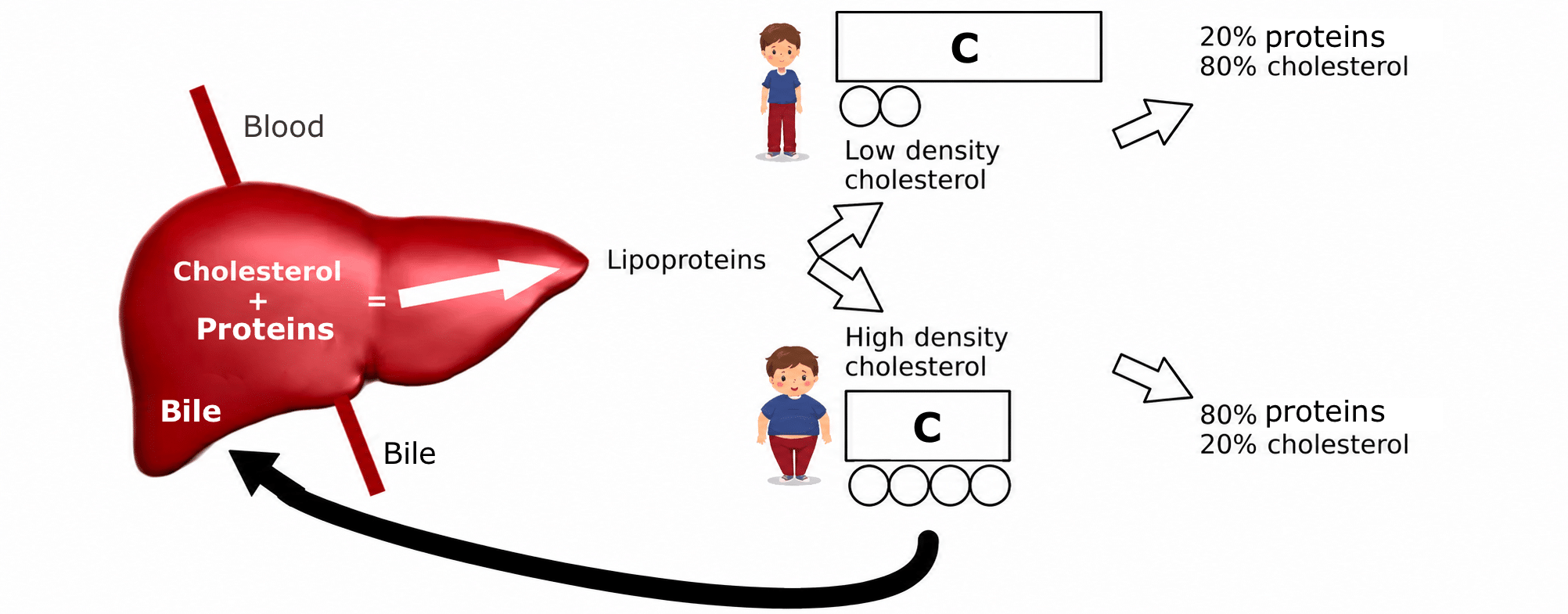
Lipoproteins are divided into three parts, but for better understanding, we will split them into two: low-density and high-density cholesterol. Low-density cholesterol consists of approximately 20% protein and 80% cholesterol. You can imagine it as a thin man (protein) carrying a large box of cholesterol. High-density cholesterol consists of about 80% protein and 20% cholesterol. This can be pictured as a fat man (protein) carrying a small box of cholesterol.
The Function of Low-Density and High-Density Cholesterol
It is commonly believed that low-density cholesterol is “good” and high-density cholesterol is “bad.” In reality, both are good and very necessary, but everything must be in balance. What happens then? Low-density cholesterol is directed to all the necessary places where cell renewal processes occur — to cell membranes, to surfactant to renew lung alveoli, for hormone production, to stabilize the central nervous system, to form new neural connections, etc. Every day, the intestinal mucosa is renewed (cells divide and new ones are built), and fatty acids are extremely important for this.
High-density cholesterol, on the other hand, transports excess cholesterol back to the liver. Excess cholesterol is then used to form bile, which breaks down fats. What is the result? If we don’t consume fats — fats are not broken down!! If we don’t have quality bile flow, which only occurs with the help of fats, we will never have a normal weight, normal sexual function, or a healthy liver, because fats will start accumulating in the liver and not be excreted. It is important to understand that cholesterol will be produced in the body in any case, even if you eat only leaves from morning till night, but there will be nothing to collect and process it, because bile is excreted and released only with the help of fats. This is exactly why cholesterol-lowering drugs are not recommended — WE MUST NOT RESTRICT FATS AND PROTEINS. Without proteins, fats will float wherever they please because there will be no transport to carry them. Quality proteins are very necessary, even if we eat meat, fish, etc., but modern products no longer contain them, and the gastrointestinal tract and liver can no longer synthesize enough proteins.
How Is “Bad” Cholesterol Calculated?
Cholesterol is calculated using the atherogenic coefficient (AC).
AC = (TC – HDL) / HDL
TC – Total Cholesterol
HDL – High-density lipoproteins
If AC is 2–3, that is good. If AC = 4, everyone will be prescribed statins and recommended a low-fat diet. But if it is 6, then… This means cholesterol is floating around uncontrollably because there are not enough proteins, and on top of that, we remove fats that would break down the excess cholesterol.
Speaking of the atherogenic coefficient, it has been artificially lowered. Professors Podhamutnikov and many other doctors have pointed out that an AC of 4 is only an average statistical value, while previously 6–6.5–7 was considered IDEAL CHOLESTEROL.
Causes of High Cholesterol
Water Deficiency
If a person at some point stops drinking enough water, the cell is ready to give up to 60% of its water to organs that need it. But to prevent the cell from dying, it has aquaporins (made of cholesterol) to protect itself — it closes the aquaporins so water doesn’t leave. You often hear people say: “I don’t drink water and I don’t even feel like drinking.” This means the cell has closed itself off. The cell says: “If you don’t give me water anymore, I won’t give you any either — just die. We’ll live as long as we can survive.”
pH Environment
We should drink alkaline water because when the body is acidified, electrolytes in the blood vessels clump together into sludge, and cholesterol sticks together with free radicals to form clots. This is why every day a person should drink biologically available Coral-Mine water at 30 ml per 1 kg of body weight, plus add H-500, the world’s most powerful antioxidant. H-500 is excellent for cholesterol prevention. When using alkaline water with an antioxidant, the blood becomes fluid and alkaline, cholesterol goes where it is needed, electrolytes go where they are needed — to carry oxygen and nutrients.
Diet
The biggest problem causing high cholesterol is diet. Food has three main components: carbohydrates, proteins, and fats. But everything is backwards — we eat too many carbohydrates, we eat proteins but cannot absorb them in sufficient quantities, and we fight fats as if they were the greatest criminals. People say: “I restrict fats to keep my cholesterol normal.” In reality, we cannot eat enough fats to have normal cholesterol. Nowadays, it is impossible to achieve normal cholesterol without dietary supplements. Many people also don’t understand that it is foolish to restrict fats when fighting excess weight.
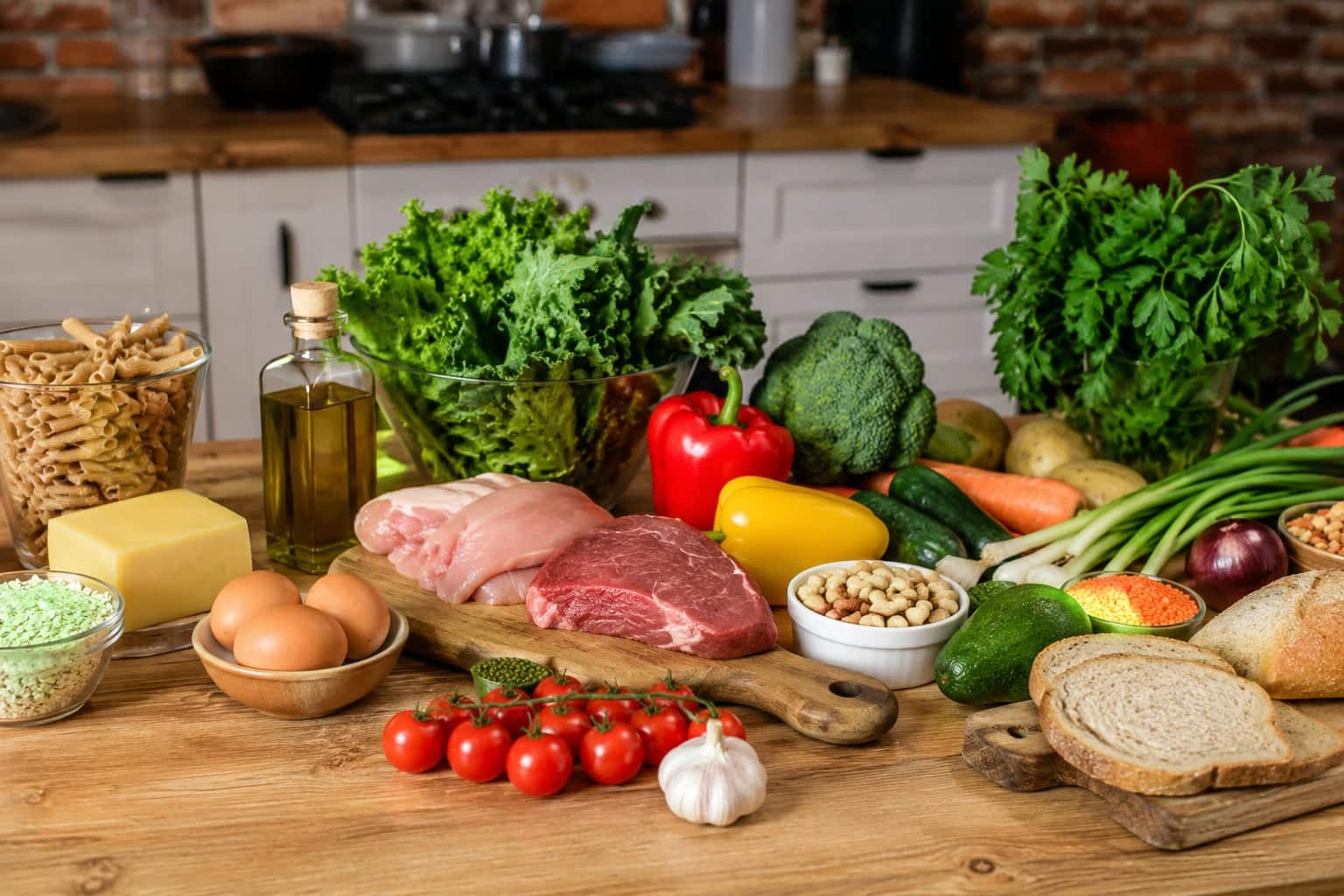
The most dangerous carbohydrates: sugar, cakes, white flour, fruits, juices, French fries, sausages, hot dogs (which contain starch and everything except real meat), etc. People can be understood, because the body’s cells can only get energy from two sources — either from sugar or from fats. There is no other way. In this regard, vegetarians have it the worst because, by giving up meat, they more often eat confectionery products, which means only one thing — THE CELLS HAVE NO ENERGY. If you have no energy in the morning, you crave sweets, can’t get up, and are in a bad mood, you need to increase your intake of good fats!
How Much Fat and Protein Should You Consume?
Fat Intake:
- For an average person with no excess weight: 1 g of fat per 1 kg of body weight per day;
- For a person with excess weight who wants to lose it: 0.7 g of fat per 1 kg;
- For a person who is too thin: 1.5 g of fat per 1 kg per day.
Protein Intake:
- For an average build person: 1.5 g per 1 kg;
- For men and very active athletes: up to 2.5 g per 1 kg.
Good carbohydrates: any person can eat an average of 100 g per day, while thin and healthy individuals can allow themselves 120–130 g per day.
Fats in natural foods:
- 100 g of cottage cheese contains 5 g of fat;
- Egg yolk contains 5 g of fat;
- 100 g of beef contains 5 g of fat.
If a person weighs 70 kg, they need 70 g of fat per day. As you can see, with modern food this is impossible to achieve, not to mention the quality.
Nutritionists say: “Fat correction can only be done with dietary supplements. We will never be able to eat enough fat for it not to be excreted from the body. We cannot overdose on it.” However, trans fats must be avoided.
Cholesterol Prevention
Fatty Acid Products
Studies show that 80% of people suffer from fatty acid deficiency. Polyunsaturated fatty acids are not synthesized by the body, which is why they must be obtained from food and supplements. Ideally from food, especially fatty fish — but not those raised in farms and fed with compound feed. Fatty fish are recommended at 200 g, 3 times a week.
Omega
Omega has long been recommended for the prevention of cardiovascular diseases to:
- maintain blood vessel elasticity;
- ensure normal fat metabolism;
- promote bile secretion and continued fat breakdown;
- prevent inflammatory processes.
Studies prove that it is fatty acids that ensure blood vessel contraction and expansion, prevent plaque formation, and thus reduce thrombus formation.
It is important to choose the right fatty acids correctly, as there are many different preparations in pharmacies. To evaluate whether a product contains good fatty acids, look at two indicators on the packaging: EPA and DHA. Many pharmacy products don’t even list these two indicators, either to hide that the amount is tiny or that they contain none at all.
One capsule of Coral Club Omega contains 600 mg of good fatty acids, so when choosing a product, it is worth paying attention to quality. The ideal ratio between Omega-3 and Omega-6 should be quite precise (ideally 1:4) for it to function properly in the body without imbalance.
If you have cholesterol problems, a fatty liver, or poor bile flow, it is recommended to take a minimum of 2 capsules of Omega twice a day during the first month.
Lecithin
Another source of fatty acids and phospholipids is lecithin. A study was conducted on a group of people with high cholesterol levels. They were given 500 mg of lecithin daily for two months. After two months, total cholesterol had decreased by 42%, and low-density cholesterol by 56%.
Coral Club lecithin is made from soybeans. The standard dose is 2×2 capsules per day, but if someone has a strong appetite or cravings for sweets, the dose can be increased to 3×2 or even 4×2 per day. When taking sufficient amounts of fatty acids, cravings for sweets and other harmful things decrease and may even disappear. It is impossible to overdose on lecithin, so you can take more if needed.
Amino Acids
A person should take amino acids every day, as this relates not only to cholesterol but to the entire body. Amino acids are the main building material of the cell.
They serve as the transport that delivers all necessary substances into the cell. Amino acid deficiency in the body is the cause of excess weight, aging, connective tissue problems (joint stiffness, loss of elasticity, muscle dysfunction), poor metabolism, and more. Amino acids are responsible for neuron function, nervous system stability, beautiful hair, nails, skin, etc.
Amino acid (protein) products: Protivity, Spirulina, Chlorella, Alfalfa.
Protivity consists of a matrix of essential amino acids that has no analogues in the world because its absorption ability is phenomenal. According to studies from the USA and Russia, these amino acids reach the cells in just 23 minutes. Protivity is of plant origin, is absorbed by the body at 99.9%, and produces no waste. These amino acids are so pure that they would be suitable even for injections. Additionally, they alkalize the body’s environment, unlike all other amino acid products.
Additional Recommendations
If the liver has problems — it doesn’t break down fats properly, there is nausea after eating, or fatty liver hepatosis (which is now even registered in young children) — the liver needs support and the whole body needs to be balanced.
Liver products that cleanse the liver and remove excess: FanDetox, Artichoke, Zaferan, Burdock root, liposomal curcumin.
All products intended for the liver are simultaneously also cholesterol prevention.
It is important to take enzymes daily to support the pancreas. Enzymes break down food and cleanse the blood of cholesterol deposits.
Another cholesterol-lowering product is garlic, which directly cleans blood vessels and improves both vessel wall quality and blood quality.
Especially for people who take statins and have major problems with blood circulation and blood vessels (vessels starting to rupture, etc.), Coenzyme Q10 is an excellent product for those with cholesterol issues. Coenzyme Q10 supports heart health and cleans blood vessels. It is emergency help in crisis situations — if you have high blood pressure, panic attacks, fainting, or shock, put 3 capsules under the tongue in acute situations, or take 2×2 capsules daily for prevention.
CircuPhyt improves venous, capillary, and arterial blood circulation, as well as lymph flow. It has a toning effect on blood vessel walls. It improves vein and lymph vessel tone, thins the blood, neutralizes free radicals, improves blood vessel elasticity, and reduces inflammatory processes in blood vessels.
Vitamin C deficiency can also be a cause of high cholesterol because the “cement” material of blood vessel cells that makes them strong is precisely vitamin C.
The process of liver cleansing and restoration can be started with the Coral-Detox program, which includes 4 products: Coral-Mine with H-500 removes water-soluble toxins, cleanses the blood of cholesterol, and improves blood composition, while Assimilator with Lecithin removes fat-soluble toxins, supports the liver, and enhances bile secretion. Of course, after that you should continue with gastrointestinal tract cleansing, because no matter what the problem is — liver, kidneys, or any other organ — it cannot be properly cleansed if the gut is not cleaned first.
Registration in Coral Club
Please fill out the registration form and you will receive a unique Club Member ID (CCI ID), you will become a Club Member and you will be able to purchase products with a 20% discount and will have access to other benefits.
Registration of discount card
Please carefully read the terms of registration using the referral link:
- Clicking this link, you confirm your desire to join Coral Club in Liga Rymer’s structure, who becomes your consultant/sponsor;
- By clicking on this link, you confirm your desire to receive information about the company’s products, the concept of health of its application and the principles of the company’s work in English.
I agree
Registration form
You can contact us, if you have any questions.
Dietary supplements do not replace a full and balanced diet and are not intended to diagnose, treat, cure, or prevent any disease.
The information on this website is for educational purposes only and is not medical advice, diagnosis, or treatment recommendation.
The products and Health Concept serve as support for the body's natural processes at the physical level, but improving health requires a comprehensive approach – lifestyle changes, dietary habit improvements, physical activity, stress management, and mindset shifts.
Before using any dietary supplements or making changes always consult your doctor or a certified healthcare specialist.
Author